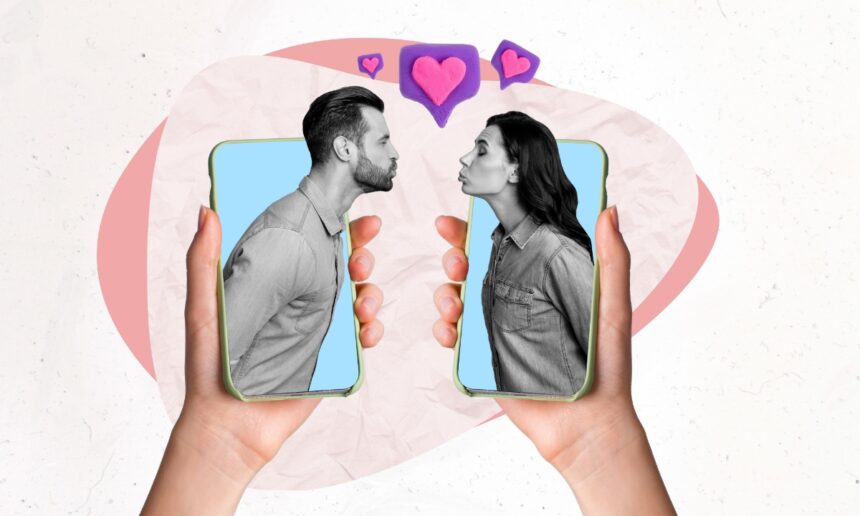
Dating apps aren’t new. Tinder launched in 2012. Match.com has been around since the 90s. So why would anyone launch a new dating platform in 2025, when the market’s already saturated and Match Group owns most of the major players?
Because something shifted. People are done pretending the current system works.
For years, users put up with the problems – the bots, the catfishing, the weird interactions, the sense that apps were designed to keep you scrolling rather than actually meeting someone. There was this collective agreement to just accept it as the cost of modern dating. But that tolerance is running out. You can see it in how people talk about dating apps now. It’s less “I met someone cool on Hinge” and more “I hate this but what else am I supposed to do?”
That frustration created an opening. HundRoses is launching into that specific moment of discontent, built around the idea that verification and trust aren’t optional features anymore – they’re baseline requirements. The platform requires profile verification for anyone who wants to message other users, while letting people browse without it. It’s a direct response to the catfishing and bot problem that’s gotten noticeably worse over the past few years.
What’s interesting is the timing lines up with broader cultural shifts around online spaces. People are more skeptical about who they’re interacting with online than they were five years ago. Deepfakes are a thing. AI-generated profiles are a thing. The line between real and fake has gotten blurry enough that platforms without strong verification feel sketchy in a way they didn’t before.
There’s also this growing awareness that the big dating apps aren’t actually incentivized to get you into a relationship. Their business model works better if you stay single and keep paying for premium features. That realization has been bubbling up in conversations for a while, but it’s hitting different now. Users are starting to ask why they’re putting so much time and money into platforms that might not want them to succeed.
The monopoly problem matters more too. When Match Group owns Tinder, Hinge, OkCupid, Plenty of Fish, and Match.com itself, you’re not really choosing between different apps – you’re choosing between different interfaces for the same corporate strategy. That’s fine until people want an actual alternative, and right now, they do.
HundRoses is positioning itself as that alternative for Canadian and American singles who want something built around different priorities. Not gamification, not endless swiping, not features designed to maximize engagement metrics. Just matching people who are actually looking for real connections, with verification systems that make that feel safer.
The bet is that enough people are frustrated with the status quo to try something new, even though dating apps have conditioned users to be pretty cynical about promises of being “different.” Every platform claims to be better than the last one. Most aren’t. But the cultural moment suggests there’s real appetite for change, not just marketing talk about it.
The platform’s still in development, with early access opening up for VIP members who want to be among the first to try it. Whether it can actually deliver on the trust and respect angle remains to be seen. But the timing makes sense in a way it might not have a few years ago. People are ready for dating apps to work differently, and they’re willing to jump ship if someone can prove they’ve built something better.
You can check out what HundRoses is building on their website, or follow along on Instagram, Facebook, X, and LinkedIn.